
Pam Smith Interview: Ginger Goodwin’s Family
Pam Smith, a professional genealogist from Yorkshire, England, had no idea she was related to a celebrated activist in Canada until author Roger Stonebanks came knocking. She knew that her great-grandfather George had a brother who went abroad, but the story of Uncle Albert “Ginger” Goodwin and his significance in BC was a surprise to the whole family.
Interview: Pam Smith (PS)
Interviewer: Rod Mickleburgh (RM)
Date: July 7, 2025
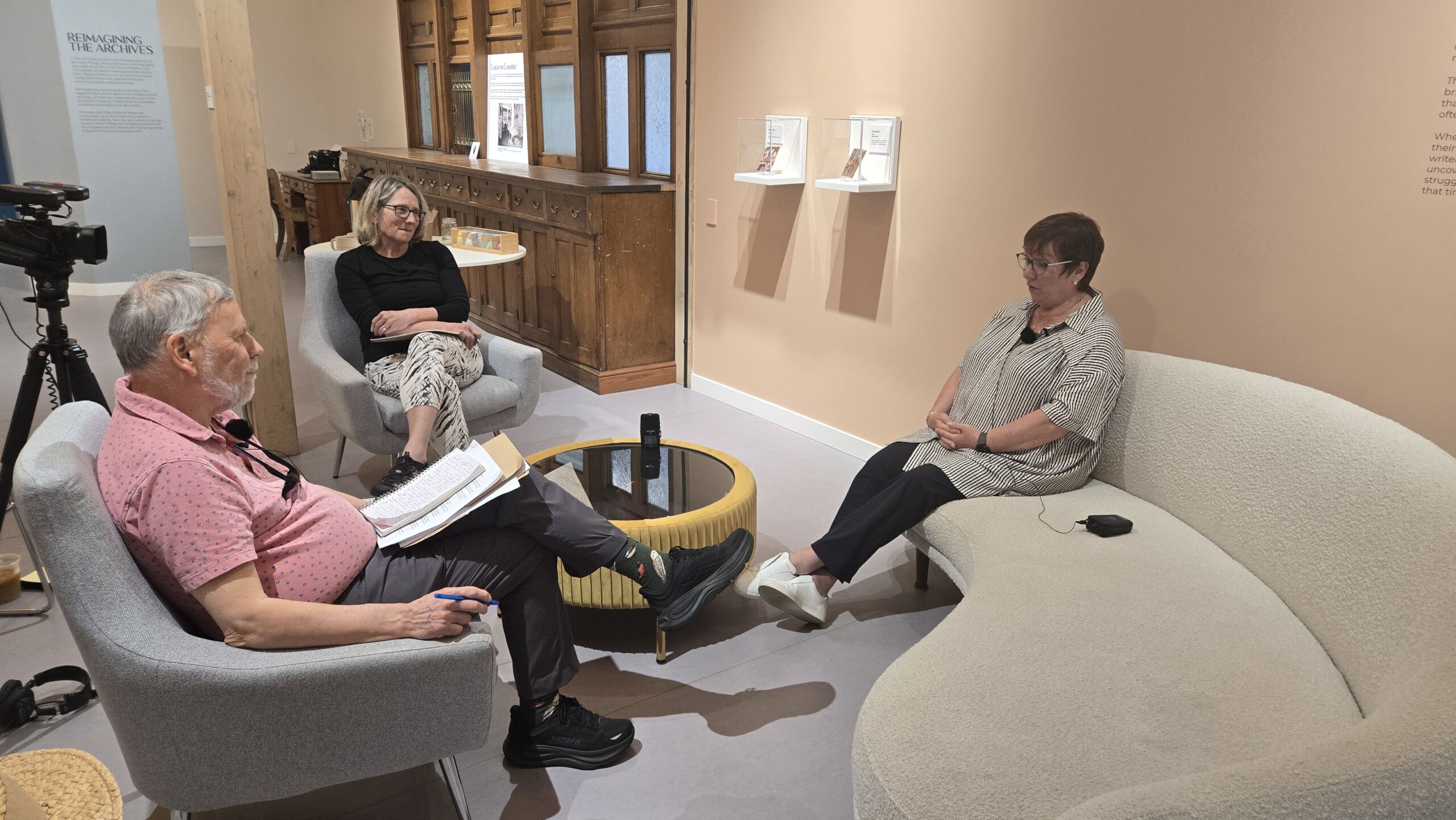
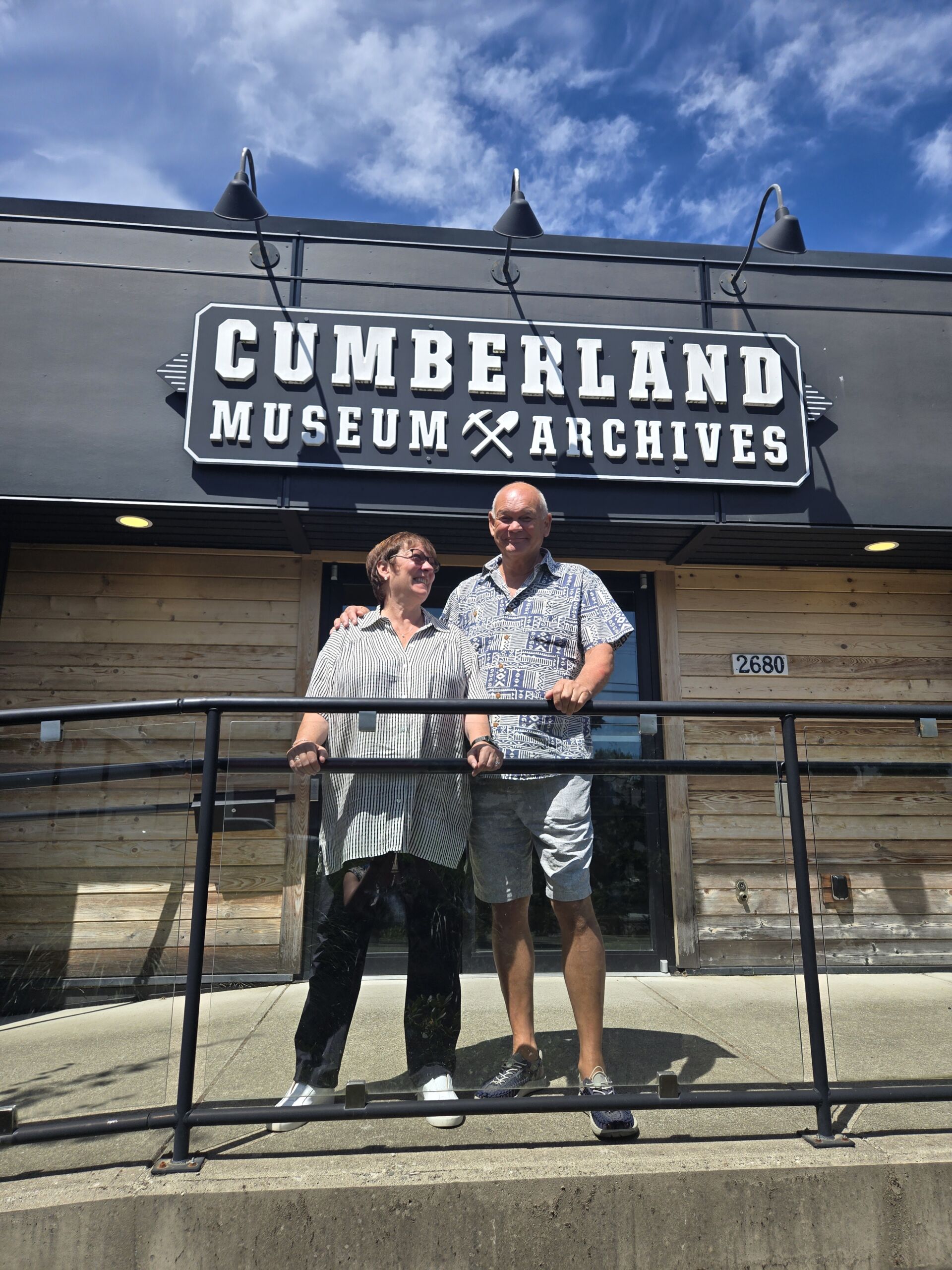
Location: Cumberland, B.C.
Transcription: Natasha Fairweather
RM [00:00:05] So Pam Smith, it’s great to welcome you and here we are in Cumberland. Which as you know has a lot to do with Ginger Goodwin. But before we get into your famous great great uncle—so tell me a bit about yourself, where you grew up, your background and that sort of thing
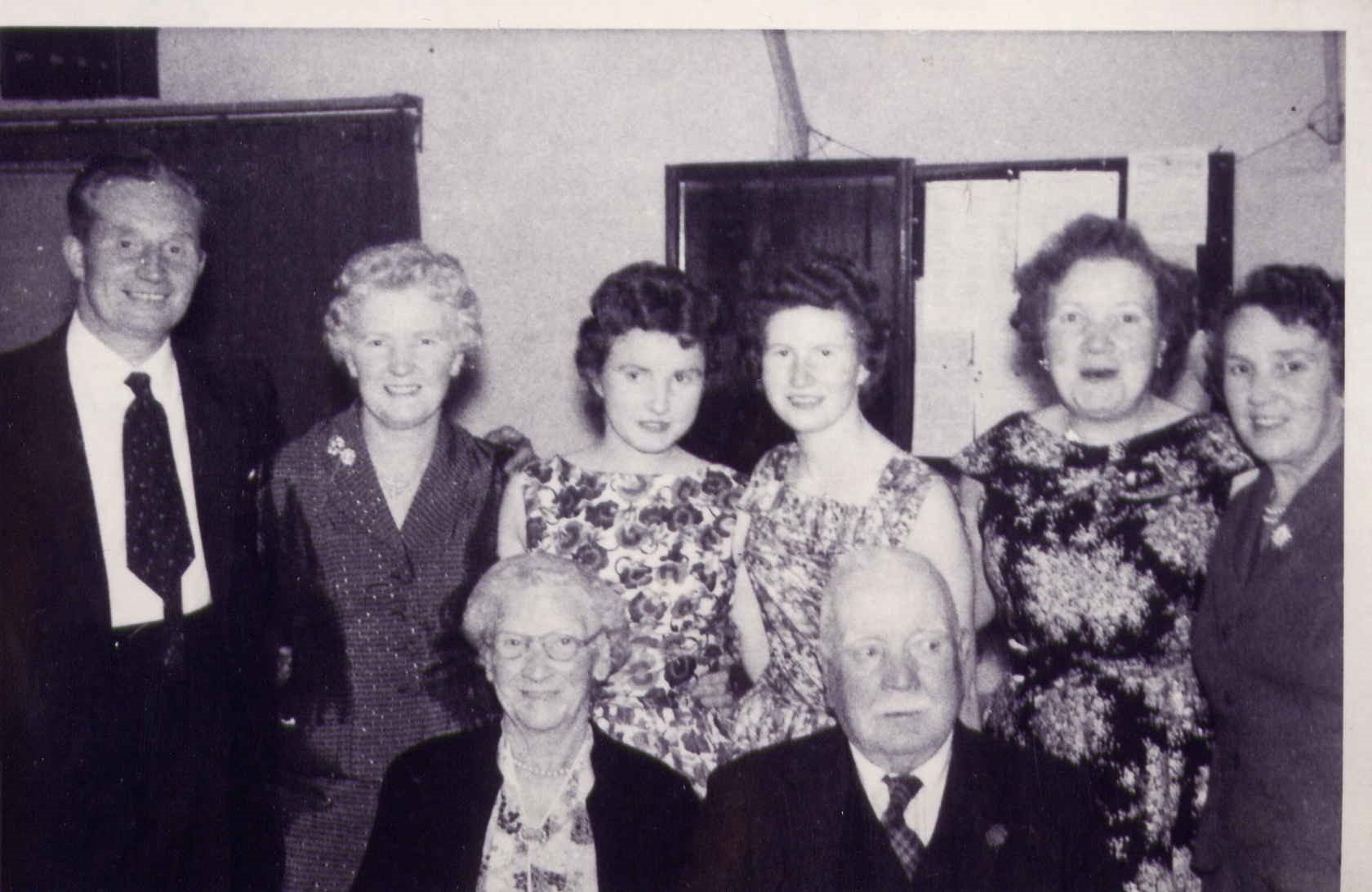
PS [00:00:22] Oh, okay. Well, I’m a Yorkshire lass, same as Ginger, born in the West Riding of Yorkshire. But I was born in Leeds, so I had a more industrial upbringing. And under the care of my maternal grandparents (obviously Mum and Dad), but my maternal grandparents were the reason that we were in Leeds. Now my maternal grandmother was Edith Goodwin. Edith Goodwin before she got married. And she was one of Ginger’s nieces as well, the same as the ones you know, Mabel and Hetty.
PS [00:00:59] So I grew up in Leeds. My father died unfortunately when I was 14. So Mum moved us over to Knaresborough, a really historical town in North Yorkshire, where most of the Goodwin girls had moved. So my nana, Edith, was the one in Leeds, and most of them came to live with her and get jobs. But then they all started to migrate to Knaresborough. So when my father died, Mum thought it was a good idea to go and live near her aunties, which was great because I grew up with you know, cousins over there. And my nana and granddad moved over shortly after we did. So Edith ended up coming over and living in Knaresborough, you know, for her final years.
RM [00:01:47] And these were cousins and their last name was Goodwin?
PS [00:01:51] No, because it was just the girls who’d moved over. So the boys who were miners—and there were there were twelve children altogether. These were all the nieces and nephews of Ginger Goodwin. They tended to stay and work in the mines, so they stayed over there. But I can recall them coming over, and I remember one of them, Albert, he used to come over on this little motorcycle and visit his sisters, you know, it’s really sweet.
RM [00:02:19] Albert Goodwin.
PS [00:02:20] Yes, but there’s a lot of Alberts and Ediths and Dorises, you know, you’ll see from the family tree. So, you know, I ended up living there, going to school there, always loved history, but left when I was 18 and got a job in our NHS [National Health Service] doing admin. And that’s where I met my husband, Duncan. Throughout the years, I’ve always been studying. I’m an eternal student. I went from the NHS to being a complimentary health care practitioner. So studied different types of massage and reflexology, believing that anybody who had some relief of stress would naturally try and get better.
PS [00:03:03] So after that, I had the third change of career, and I turned my passion into my job. So I trained to be a professional genealogist. I’ve done several courses, it’s really through the Institute of Heraldic and Genealogical Studies, gone through their process, their certificates, their diploma, and I’m studying their licentiateship now. So I’m focusing on a local, my local history project of Rillington, so that I’ve been able to do that.
RM [00:03:39] So is that a real job? I mean it it’s obviously a job, but I mean or did people hire you? Or did you work on contract? How did that work?
PS [00:03:46] Oh, when I was a genealogist, yes. Yes, all privately commissioned. So people would contact me from the UK, or I had quite a few clients in Australia, Canada, America, yes.
RM [00:04:05] At some point, and I know a a bit about your background, you discovered there was some connection among your relatives to Canada. Not Ginger Goodwin, but Halifax and—.
PS [00:04:17] Oh yes.
RM [00:04:18] So do you wanna just, how you first learned you had a connection to Canada?
PS [00:04:23] Right! That was a trip and a half. So yeah, Canada’s featured very heavily. My maternal grandfather was Albert Connors. So he married Edie Goodwin. So that’s where it came from. I started to research the Connors family. The first census I got hold of, and this was way before I turned professional because I was just a novice at first. Oh great, he came from Halifax. Oh great, well that’s not far, it’s just over the Pennines. So then I looked again, of course, Halifax NS. Well, we’re off to Nova Scotia then, aren’t we? So it was very, very complicated, was this.
PS [00:05:07] When we knew from my grandfather that he said we had Irish connections, which was great, but a lot of the records were destroyed. So couldn’t get back too far. And my grandfather was called George James Connors, and he was in the West Yorkshire Regiment. So I started to track back all his regiments, and military history was completely new to me. So we we looked back and got back to Halifax and realized this horrendous, horrendous story.
PS [00:05:45] You know, not only had George James’ father James, who was in the army, escaped the potato famine, got into the army, ended up in Halifax, Nova Scotia. He ended up being the Garrison Sergeant Major for the Citadel. So I found somebody out there who was more knowledgeable than me, and on one of our many trips to Canada, on a very rainy day, we got there and he showed us everything, showed us where they lived. It was brilliant. However, what we realized was that he died during his last day of service. He fell through the ice skating, and because of that, his widow didn’t get an army pension. So all the child—she died about six months after him, and all the children were either put into an orphanage or they died of some disease that was going around at the time. My own grandfather, George James, was put into the army and ended up in a a regiment in Ireland, then ended up in England. So his last posting was up to Leeds with the West Yorkshire Regiment, and that’s how we ended up in Leeds. But it went from you know Ireland to Canada and back again.
RM [00:07:14] And that tragedy.
PS [00:07:16] Absolutely horrendous. It’s awful. But we’ve we’ve had a great many travels out of it, and the funniest part of well, not it wasn’t funny at the time, but I was taken into the citadel and into where all the cannons were, and I just sat down on a cannon and I was listening to the guide and telling us all about the stories. We got back to the airport and I went through the airport and then all the shutters came down and all the you know, the everything started beeping and I was taken in, frisked, and I was covered in gunpowder. They thought I was a terrorist. It wasn’t me, I wasn’t there (laughter).
PS [00:07:59] Clearly a terrorist.
PS [00:08:02] So that was that, but it’s you know, it’s another part of Canada that although they were just there for a short time, I just absolutely loved it. And I just you know, when some places resonate with you, you know, I’m Yorkshire through and through, I’ll never leave. But you know, if I ever wanted to emigrate, it would have been somewhere around here.
RM [00:08:25] You’re welcome.
PS [00:08:26] Yes, thank you.
RM [00:08:27] And there’s also a relative that ended up as the mayor of Juneau.
PS [00:08:31] That’s right, well done, yes. Well, my great grandfather George James, who ended up in Leeds, he had a brother called James Joseph Connors, and he was put in the orphanage with a sister. Long story short, he made his way across Canada to Alaska and settled there and married. And it was just really interesting. I didn’t know about this either. And we went on a cruise, one of the cruises that we first went on from Vancouver to Alaska, hopped off in Juneau. We knew from just an old thing—somebody’d sent me or my mother the poems of Robert Service, and it was inscribed, and I just thought, yeah, what’s all this about? And you know, ‘I wanted the gold and I sought it,’ I scrabbled the muck like a slave’. I remember it. I think I’ve I think I recited it at school.
PS [00:09:32] So anyway, we hopped off, and everybody else was going on all these trips and everything. And you know, where do we want to go? Well, I’d like to go to the archives, please. So Dunc was very good and came with me. And we just rocked up at the archives reception desk, said who I was, and another great great niece, you know, James Joseph Connors, and they just all put the pens down, didn’t they? And I said, ‘I’m just here for three hours, I’m on the cruise boat. Have you got anything about my ancestor?’ You know, what? ‘Of course we have come through’. They rushed us through, didn’t we? I don’t think we went through security then, and brought out all these things. And you know, a politician, they said he was inaugurated by Roosevelt. His job was the to bring the first Canadian flights in and air mail. So we’ve got some wonderful photos of him, and obviously unbeknown to me, his grandson, Michael Connors (who I’m now in touch with), he deposited all his father’s documents in there. So, you know, that was just just wonderful to touch them, you know, see them. It’s just a joy, absolute joy. So that was just an amazing you know, it sent him all goosey just telling you about it.
RM [00:10:53] It’s in your blood.
PS [00:10:54] Yes.
RM [00:10:55] All right, so what I like well, so many things but so there you are, you’re a professional genealogist and you knew nothing about a guy called Ginger Goodwin.
PS [00:11:07] How good am I?
RM [00:11:08] Yeah, there he was, right under your nose.
PS [00:11:11] Right under my nose.
RM [00:11:12] And then one day there was a knock on the door. Did you want to pick up the story?
PS [00:11:16] Knock on the door. Well, first of all, in my defense, I will say, well, when I first started researching my family history, I just did the direct lines, as you all do. I knew of Albert’s then, I didn’t know he was called Ginger, but they all had ginger hair, every single one of them, these lovely big beaming faces and this shock of ginger hair. So I didn’t know about him, but what I hadn’t done when I first started was researched the collateral lines. So I hadn’t gone down all the siblings routes. So the next minute I can’t even tell you about the time that Roger came over.
RM [00:11:56] We’re talking about Roger Stonebanks.
PS [00:11:58] Yes, sorry, Roger Stonebanks and Helen Ayers. So Roger had written his book, which I didn’t know about, and it was published, I believe, in 2004. So that’s when my mother and her aunties and cousin went over. So apparently Roger had written—he got the Rotherham phone book, so it was it’s very old school, but a really thorough, meticulous way of doing it, just how he is, you know, everything’s beautifully sourced. So he wrote to, I believe, 50 Goodwin surname bearers in the Rotherham phone directory. And I believe it was Helen who first encouraged him to do this. I think he was nearing retirement, and they’d seen this wonderful you know, headstone in the cemetery. So he wrote to them. I don’t know how many responses he got, but one of them responded, and she was Doris Goodwin. Now there are a couple of Dorises as well, so I can’t tell you exactly who she was married to. It would have been either another Albert or Danny rings a bell, but they had a daughter called Edith, so all these names are coming through.
PS [00:13:09] So she, they made contact, and obviously Roger had the outline and a good knowledge of where or what happened to Ginger over here, but apparently Doris and a daughter Edith went off on public transport on the busses. They’d never set foot in an archives before and gone and found out all this background information about him, which was really useful. It was just filling in the gaps, you know, putting the flesh on the bones, and so that was really helpful. For the beginning of the story.
PS [00:13:47] I have to say I haven’t got back a great deal further than Roger and Doris and Edith, just to know that their father, Ginger and George (George was the elder brother) that their father and who he married. But their father, and you have to excuse me, I’ve gone a blank on his name. It’ll come to me. But he was born illegitimately. So the Goodwin name doesn’t come down the paternal line, it comes down the maternal line. And their mother was, or grandmother of George and Ginger, was called Elizabeth. And they were around the Killamarsh area in Derbyshire.
PS [00:14:38] So then, so that’s a long way to go to the front door, sorry. So then Roger and Helen started coming over. I think both of them had relatives over here. They were both born over here. So they always put in a visit to Yorkshire, and a couple of times they gathered us all together after you know they’d met Doris. And we met probably twice, three times in a hotel over here. And of course, I was very taken with this story.
RM [00:15:11] Had you heard any of it before?
PS [00:15:12] No.
RM [00:15:12] You knew nothing?
PS [00:15:14] Nothing. We have one of those families. I mean, there were twelve children, so anything that was given, you know, not every child would have had access to everything. So nothing was passed down. I just had a battered birth certificate of my grandmother, and that was it. Knew that she came from Conisbrough, knew where they lived on the Minneymoor. And you know, I remember visiting Hetty Goodwin as then (not my auntie Hetty, my grandmother was called Hetty), and visiting them in an old cottage and big iron bedsteads. But I was only about five, so didn’t really know too much about them really. Just that all the girls said they were the happiest family. They were a huge family, lived in a two up two down cottage, and apparently Grandad Goodwin used to go out poaching rabbits to sort of put in the pot and feed them. He was a miner and they said they had nothing but they all helped each other. The oldest children looked after the youngest and my nana being the eldest girl and obviously when she moved to Leeds all they all migrated to Leeds just to get jobs in service.
RM [00:16:28] Well my understanding was that basically did Roger just like knock on your door?
PS [00:16:33] Not on my door.
RM [00:16:34] Oh I see, okay.
PS [00:16:35] Not on my door, but he knocked on you know, probably knocked on Doris’s door. And and that’s when they formed these meetings.
RM [00:16:47] Was it Roger that told you about who Ginger Goodwin was? And so tell—what did he tell you?
PS [00:16:54] It was just incredible. He was just telling me, ‘Did you realize what he did? What he meant to Cumberland? Did you know how he died? Did you know why he died, what he died for?’ You know, the gravestone and just how much he sort of meant in the area. And I just thought, well, crumbs, we’ve got to come over and see this.
RM [00:17:22] What was your reaction to this?
PS [00:17:23] Oh, I could not believe it. I just couldn’t believe it. It was wonderful to have a pioneering ancestor, as the Connors were in their own way in Canada, a pioneering ancestor. And that young lad went over at 19 years of age. And he’s got me going again. He must be with us. You know, just going over there and starting a new life. Because life wasn’t great in Yorkshire at that time. You know, they they were very dependent on jobs and you know the miners might lose their jobs, and if they didn’t have income they’d have to move house. So they’re often moving from place to place, terrible unsanitary conditions. So apparently there was there were adverts, you know, for people to go over to Canada. And he just obviously took the opportunity. I just think, oh, 19, he was a babe, you know, our nineteen-year-old sons, you can’t imagine them doing things like that. And off he went. And you know, I just wondered, initially how homesick was he? Was he homesick? Were there any letters? And I didn’t know of any letters.
RM [00:18:43] There’s no trace, is there?
PS [00:18:44] No trace, unless unless some of the other family members had them, but no trace at all. But it was so heartwarming to hear and see the photographs from the museum. I’ve got photographs from here, him playing football. So he knew how to play football, and apparently he liked dancing and a bit of a good social life. So and just where he lived, and I went to his house. Can’t remember the address.
RM [00:19:13] I’ll get you there in a second, but so you find you’re related to this almost-celebrity.
PS [00:19:23] Yes. And the fact that his murder sparked a partial Canadian strike
RM [00:19:33] General strike. The first general strike in Canada history, Canadian history. He was beloved over here.
PS [00:19:40] Absolutely. Oh, it just crumbs, the feels. And yes, it was amazing, and that’s before I even came over here, because it was coming over here that really made it real for me. You know, you can read something in a book, oh it’s black and white, oh that’s interesting. Yeah, it’s got sources, oh wow, that’s all okay. But you come over here, and on Miner’s Memorial Weekend, I was just absolutely bowled over. That’s when it hit me.
RM [00:20:15] Do you remember what year that was? 2004, 2005?
PS [00:20:23] No, it was way at—2004 the other family came over. We came over about four times. I know we were here for the hundredth anniversary, but we’d come about twice before. So a couple of Miner’s Memorial Weekends. So it will have been—I will be able to tell you.
RM [00:20:47] And one last question before we come to your first visit here is that, and nobody in the family knew anything about this.
PS [00:20:55] No.
RM [00:20:56] Zero. Until Roger Stonebank showed up, out of nowhere.
PS [00:21:02] Yes, out of nowhere. It was just like he was coming over the hill, he really was. And it was just such a joy to meet him, just such a knowledgeable, kind man, and Helen. They were just absolutely wonderful. I’m not saying that some of the older members of the family, you know, my grandmother’s old siblings or brothers knew anything, they may have, but it was never passed down. We’re very much a here-and-now family. I break the mold. But it was just, you know, struggling to get on with life and that’s what they did. They worked hard and you know, they didn’t seem to have anything.
RM [00:21:41] And for all you know they heard that he was shot and therefore he must have been a bad person.
PS [00:21:46] Possibly.
RM [00:21:47] But we guess we shouldn’t speculate.
PS [00:21:49] No.
RM [00:21:50] So your first visit here, I mean, to Cumberland finally it made it real. So do you want to talk about the first time you came here and what that was all like?
PS [00:21:59] Oh it was just, it was just amazing. First of all, just walking up and down the high street, I just thinking it looks like the Wild West. You know, the fronts of the building. We went into the Waverley Hotel. We heard about this. Lucky Beer. So we had a few of those and just walked up and down, and that will have been a Miner’s Memorial Weekend. So, you know, we acquainted ourselves with the high street, we went into where he lived.
RM [00:22:30] Now how did you find, I’ve never heard that before that they know where he lived in Cumberland?
PS [00:22:34] Yes, it’s in Roger’s book.
RM [00:22:35] Yes, I haven’t read Roger’s book. Bad me.
PS [00:22:38] Yes.
RM [00:22:39] So what was that like?
PS [00:22:41] Oh wow. It was just a beautiful house. It was, I don’t know what you call it, the boarding on it. It’s not like we have in the UK. So we just turned up there because had the address from the book, just knocked on the door. I think we were hanging around for a while, in a bit, should we, shouldn’t we? Thought, well, we’re not going to be here again. Ha ha ha. But knocked on the door and I said who I was. And she says, ‘Oh, yes,’ she says. ‘Yes, Ginger Goodwin lived here.’ She said, ‘Do you want to come in and have a look?’ I thought, do I, you know, say your prayers, I’m coming up your stairs, you know.
PS [00:23:18] So up we went, and she showed me his bedroom, which he shared with two other men. And it was the window, it was the window, and it overlooked these mountains. And I just thought, oh my goodness, [rubs her forearms] this is happening again. It’s just really gets to me. You know, he’s lived in this wonderful community. I know he wasn’t mining towards the end of his life, but you know, will’ve been aware of everything that was going on. And just what a wonderful place he’d come to. You know, he had a short life, but it was a powerful life, and it was a life living in nature. And that just thought, oh my goodness. You know, it was it was quality, not quantity.
RM [00:24:07] But it was a hard life, of course.
PS [00:24:08] Oh, yes. But in a better environment for sure. Well, probably apart from winter. But it was then that I started to hear some wonderful stories about him. And you know, you can’t—oral history is just wonderful, isn’t it? Because that’s not quantified in an archive. You haven’t got some document, you know, with some archival reference saying, oh, this happened, but because it was people’s memories. And people, some guy called Brian, I remember him—
RM [00:24:37] Brian Charlton?
PS [00:24:38] Yes. Yes, remember him. And he had stories, and it was people whose family and whose fathers knew Ginger Goodwin, and they were telling us all these stories. And it was just wonderful. And I just couldn’t believe it. And they were saying things like—because the mine owners, obviously, capitalists as they were called, they didn’t look after the workers, and that’s I think where Ginger came in. Tried to look after the rights of miners and especially the Chinese migrant workers. So similarly to the Connors who fell through the ice, you know, if they had an accident or a death, there was nothing there. So awful.
PS [00:25:27] So apparently what he did was go to the local store when he got paid when somebody had befallen some tragedy, and he used to buy them a bag of groceries. I just think, wow, that just sums up to me what sort of man he was.
RM [00:25:47] Were those the kind of stories you were hearing about him?
PS [00:25:48] Yes. All those stories about dances and things like that. So it was nice to know that he had a social life. I don’t know if he had a girlfriend. I can’t work that out. But he seemed to, he seemed to have a community around him and he interacted in the community and he helped, he helped the society. I don’t know if he helped societal change and I don’t really know if anything happened after his death. If anything came out of his death because it was so severe, you know, whether it affected any minors’ rights or anything like that. I don’t really know that.
RM [00:26:31] Well, it’s part of the long struggle.
PS [00:26:33] Yeah.
RM [00:26:33] But he certainly galvanized people and he was beloved because he led a strike in Trail, you may know about that for the eight hour days. And then of course there was the general strike in Vancouver on the day of his funeral. And so there’s this figure that—in your family and he’s just, was so celebrated and beloved and people felt so close to him over here.
PS [00:26:58] Oh that’s wonderful to know. But knowing the rest of the Goodwin family, if he was ever like them, that’s what they’re like. You know, just very warm-hearted.
RM [00:27:12] What sort of picture did you form of Ginger Goodwin? You would have known him as Albert, I guess, but after hearing all these stories and so on, what kind of a picture did you get of him?
PS [00:27:24] I thought he was a hero, a working class warrior. You know, obviously his politics, labour through and through as all the miners were in the UK, you know, that’s what it was like. And I think he was a man of his time. You know, it was really looking after the community and people mattered to him. I think that comes across loud and clear. I think I was surprised to see how skinny he was. Yeah, he seems such a slight person, you know. But looking at his face, it just you know, my nana especially, they just all look all looked alike. But he was much more slender.
RM [00:28:18] And do you think that was due to the fact he wasn’t in good health or—?
PS [00:28:22] So I understand that he was classed as—because he had I don’t know if it was minor’s lung or he was classed as category D, so he was unfit to fight. But then of course when he started causing a few ruffles, then he got up to category A and that’s when he took off. Interesting to hear about all the conscientious objection type of thing. I understand from reading about it, that was quite a thing that was running through Canada at the time. They didn’t want to fight other people’s wars and that the capitalists made money out of armaments and things like that. So yeah, so you know, people can have mixed views about him, conscientious objecting. I’m sure people who went to war weren’t happy about that. You know, there’s always two sides. But I can’t make a judgment on that.
RM [00:29:26] Well he was certainly supported by the people of, and the workers of Cumberland. I mean he couldn’t have survived as long as he did in the woods without their support.
PS [00:29:35] So people were obviously feeding him, which was great, and bringing supplies and you know, having a little bit of company and what have you. So, you know, you can just imagine, you know, just out there on the mountain. I mean, I don’t know, if he was there over winter. Obviously he died in the summer, so it might not have been too bad, but you know, quite grueling up there I would imagine.
RM [00:30:01] Do you want to put in your own words what you’ve learned about what happened to him?
PS [00:30:06] My own words. It’s like an inner strength that you can resonate with. You know, you can imagine what he’s done and bring it into your own heart and just think, wow, he has done that for so many people. It seems to be selfless, strong, courageous. His own mind, you know, he just wasn’t about to be turned around, you know, for such a young man. I just think—I’ve often said, a short and powerful life. You know, it doesn’t matter the length, you know, I wish he would have lived longer, wish he’d have had a family, wish he’d have done a lot of things, but my goodness, what he packed into that short life. It just gives me such an inner glow and strength, and you just think, blimey, if he can do it, what are we all moaning about, you know? You know, if he can—.
RM [00:31:11] Well he gave his life for it.
PS [00:31:11] Yes, absolutely. He did. Again it’s, you don’t know, there doesn’t seem to be a conclusion about that. I’ve got the oh what’s the record called? Big document about how he died.
RM [00:31:31] The coroner’s inquest?
PS [00:31:32] Thank you, yes. Thank you. Yes. So it seems a bit grisly. Talk about was it self defense on the part of Dan Campbell or what was it? And that doesn’t seem to be clear yet, or if ever.
RM [00:31:49] Well it was certainly clear in the minds of the labour movement.
PS [00:31:52] Yes.
RM [00:31:53] That he was murdered.
PS [00:31:54] Yes. And it’s on the gravestone and it’s, that’s great.
RM [00:32:01] So I want to talk about you were here for the one hundredth anniversary of Ginger Goodwin’s death and the famous funeral cortege that went through the town. Which of course we’ve all seen pictures of. And I gather that was quite an experience.
PS [00:32:19] Oh my goodness. I think if I ever had to choose a life experience that was my favourite, it probably was that day. It was incredible. It’s hard to put into words. I felt as though I was in a parallel universe. You know, I was marching along with everybody else, and we’d hired (Duncan and I), we’d hired Edwardian mourning gear from York Theatre in England. We brought it over, that was the heaviest part of our stuff. And we we joined it and, the choirs—.
RM [00:32:58] Because it was reenacted, right?
PS [00:33:00] Yes. Reenacted. You know, when they started to lift the coffin, it was like, oh my goodness! I can’t describe the feeling. It it felt quite surreal. And I was walking next to a lady, I think she was—oh, tall lady with blonde hair. I think she was a councilor, perhaps. She was a really lovely lady. And then all these children were dressed up, and then the choirs and they were singing the Red Flag, you know, and we were marching down towards it, and there was a lady (seemed to be somebody was directing it), a lady who was here many times, she had ginger hair as well. Forgotten her name, but she was there directing it all, and you know, ‘stop there, don’t stop there, just move up’, and we just got the exact thing. So that was amazing, just watching them.
PS [00:33:54] And the people who— it was all this sort of trade union flags were waving and people on the footpath and just cheering and clapping as we as we went by. That was just incredible.
RM [00:34:10] And how did people react to you?
PS [00:34:13] They’re really kind. They’re really kind, they’re just coming up and chatting to me. Oh, could I just tell, could I ask you this? Could I just tell you this? So many, so many. I remember three young women and they were studying, they were at university, and they said to me they just wanted to come and shake my hand because it was Ginger Goodwin that made them want to study politics. That was powerful. Just chatting to lots and lots of people. Again, It’s just looking at the Canadians, you know, and they all had long beards and the hats on and the cheque shirts.
PS [00:34:55] But one of the most amazing things was, they uncovered the Ginger Goodwin Highway sign. And of course I didn’t know, it was in and out like a fiddler’s elbow, wasn’t it? With all the different political parties. It was up, it was down, it was taken away. Anyway, this particular government said that they were reinstating it and they uncovered it and they were going to put it on the highway. So when all the wonderful celebrations had happened and we just had such a lovely time. We joined in as much as we could. We shot off onto the highway to find it. And we found it, and of course it’s on two separate parts of the highway. We stopped the car and we got out and peering at it and snap snap snap. And then this guy got out of this car and he sort of screamed and pulled up and again this long beard and his hat. He said, ‘Have you just heard on the news? They’ve reinstated, you know, this sign’. I said, ‘Yes, I have,’ I said. ‘Isn’t it marvelous?’ And he looked at me and he says, ‘You’re not from round here, are you?’ I said, ‘No, no, I’m not.’ He said, ‘Where have you come from?’ I said ‘Yorkshire in England.’ He says, ‘What what are you doing here?’ I said ‘I’ve been to Miner’s Memorial Day.’ And he said ‘No, no you, are you, are you, are you, are you related to Ginger Goodwin?’ I said ‘Yes I am.’ Well he nearly had, just he was just beside himself. Just absolutely just really. Just he was just joyful, you know, and he just couldn’t believe it. It was just lovely.
RM [00:36:35] Did you feel like a celebrity?
PS [00:36:40] I don’t I don’t know really. I mean, I had a celebrity ancestor and I was proud of that, but I suppose I’ve never had as much attention, never had as much attention as I had, you know, in the UK. But it was just so lovely sharing stories and listening.
RM [00:36:58] And of course, you know, this is this joyful occasion, but it was brought about by a tragedy.
PS [00:37:03] Absolutely.
RM [00:37:04] You know, which is sort of bittersweet in an odd way.
PS [00:37:06] It is bittersweet, and it’s like the short and powerful thing. But good comes from bad sometimes. And I just felt, you’re asking me about how I felt, but I overwhelmingly I just thought, my goodness, this awful thing has happened, but look at all this. And look at how it’s brought the community together. This is just remarkable. It’s amazing. I don’t know if the memorial weekend celebrations are as strong. I noticed a lot of bouquets on the—
RM [00:37:39] Still going on. And there was another aspect of the hundredth anniversary is of course everyone made a pilgrimage to Ginger’s gravestone. And you spoke by the gravestone. Do you want to talk about that?
PS [00:37:54] Yes, I do. That was just wonderful. I do have a copy of that speech too, and it’s deposited here if you ever wanted it. But I felt as though such an honour to be representing the Goodwin family. My auntie Hetty, who’s a hundred and five, she did the same thing. And I read her speech, it was marvelous because she must have been eighty odd when she did that. So I was stood there and you know, I don’t know the politics and the comings and goings. I wasn’t as, you know, well versed, but I just knew how we felt when we found out about him and just to speak on behalf of the Goodwin family, who were all miners. So of course, you know, mining’s going on in different places in the UK and Cumberland. And you know, most of my family had been brought up in a mining environment. What I didn’t tell you before was part of my—I must have coal dust in my blood because my father’s family are miners too, that’s the Carr family, and they came from Grimethorpe. And if you’ve ever heard of the Grimethorpe Colliery Band, have you watched the film Brassed Off? You must. You must. It’s about the miners’ strike in the UK.
RM [00:39:15] I watched the Pride movie, you know, which had Damien West in it and it’s about this group, this politically active group of gay rights people from London who wanted to help the miners so they go up to one of the Yorkshire villages. And it’s basically based on a true story. And it’s I think it’s called Pride. And Bill Nighy’s in it.
PS [00:39:41] If he’s in it, it’d be marvelous.
RM [00:39:42] It’s actually really, really good. But I haven’t seen this one.
PS [00:39:45] Brassed Off.
RM [00:39:46] Yeah, thank I’ll make a note of it.
PS [00:39:48] Yeah, it’s about the Pip Band. It’s a famous colliery brass band. But it was going through the miner’s strike and that’s in my living memory.
RM [00:39:57] Was it an emotional moment there giving that speech? A hundred years later?
PS [00:40:03] Yes, it was. I remember Roger stood by my side. Oh, he was marvelous. And he was very comforting, you know. ‘Cause I mean unaccustomed as I am to public speaking, you know, I’ve done a few things, but when it’s about your family it’s different. What I can remember is just saying that you know, we come from Yorkshire and we all, you know, most of us had the ginger hair and this cheer went up and I could just remember them just listening and just all the flags waving, you know. I think at one point, and I can’t remember if it was, might not have been that time, but when we went came one time, there was a delegation of Chilean miners, you know, the ones that got stuck down the shaft and they were lifted up and they were there. And I believe there were some Russians there as well, Russian miners. Because obviously the fraternity is international and you know, it was sort of like a microcosm of society, the mining community. It’s a community within a community and the family extends. It’s an industry that’s family really.
RM [00:41:16] When you said you brought greetings from the Goodwin family, was there a message that you brought on behalf of the Goodwin family? Or is it just appreciation—
PS [00:41:24] Just appre—no, there wasn’t a particular message, you know, people knew I was coming. People are interested, followed it all. Very proud, you know, as Auntie Hetty said. You know, they were so proud and they obviously didn’t remember him then, but they must have heard stories from their father George. Because apparently Ginger wanted George to come over with him and I don’t know why he didn’t, but our lives would have been so different then. But George had a large family, so Ginger had none, so it was probably easier for him to go.
RM [00:42:09] I gather you had a lot of socialists coming up to you and sort of thinking maybe you were a socialist or whatever.
PS [00:42:17] Well, am I a socialist? I believe in a lot of—
RM [00:42:21] But they were attracted, they wanted to meet you, right?
PS [00:42:23] Well yes, possibly, but it was the socialism at the time of Ginger Goodwin was in its place. We’ve got a Labour government now and things are going a little bit pear-shaped. You know, things move with the times, don’t they? So I I think that Ginger’s politics were right at the time and things change. We’re going through turmoil at the moment. I don’t know what Ginger would have thought of our carry-on. We had Arthur Scargill at a national level. He was you know, I don’t know if you want to talk about this now, but when the three-day week was happening, but he was in charge of the National Union of Mine Workers, where in here, earlier it seems to be different groups of people. But in the UK it was really political at the time and obviously what Margaret Thatcher did and everything. So I don’t know what they thought of me really.
RM [00:43:28] But they wanted to meet you.
PS [00:43:29] Oh yes, they did. I mean I tend not to talk about politics really. It’s just we talk about politics now because it’s all—everything’s horrendous at the minute and everybody’s talking about politics but I just think he was definitely right for his time and anybody who works in a community like that and things are being, you know capitalist people running it and not looking after the workers, it’s wrong.
RM [00:43:59] Just as we’ve been talking, I’ve been thinking what it would be like if like if I had discovered somebody famous in our family from years ago that I knew nothing about and, you know, even though it hasn’t affected my life or anything, but you must feel, I think I would feel a lot of pride in that.
PS [00:44:14] Oh, absolutely bursting with pride. And that’s probably what I felt when I gave the speech. You know, I wasn’t just giving a speech, I really was connecting with him, I resonated with him. It’s a funny thing to say, but like it was saying how you felt on the march, you felt as though—did I feel he was walking beside me? I don’t know. It was a something that I can’t quite describe, but I was there with him. And I felt a little bit of that when I just laid the rose this morning, you know. It’s like we haven’t forgotten you, you know, thousands of miles away, but you know, every time we come we’ll come and visit and you know, and just say, Wow, what a guy.
RM [00:45:02] Why do you keep doing that and keep visiting and again this morning you put a rose by the grave. Like what—
PS [00:45:09] Because he’s family. He means something, you know. As you say it didn’t affect my life, but it’s just he’s so far away and on his own. I know he’s in the community, but every time we come here we’ll always pay a visit. Always. And I can see myself coming back to Canada and back to Vancouver Island again and again, you know.
RM [00:45:32] But that’s interesting, your answer there because you don’t pay the respects to him the way we all do because of what he represented. For you, it’s family.
PS [00:45:42] Family. That’s it.
RM [00:45:43] There’s the other stuff too, of course, but it’s family.
PS [00:45:46] That’s right, family. And you know, proud of something that he’s done with his life ’cause not many people have a backstory like his. It’s just incredible. You got to work on things like this. Most people just have ordinary lives. And he had an extraordinary life.
RM [00:46:06] I think I I listened to an interview with you and you said that was you’ve never had a prouder moment than when you were standing beside the gravestone and speaking and representing the Goodwin family.
PS [00:46:16] Absolutely. That’s it. It was just all-encompassing. It’s all of us. I know Roger asked me recently how many—well he hasn’t got any descendants, but how many people from the Goodwin family do you think that’s around? Well I could work it out. There’s lots of us. And I make it my business to tell the younger generation, you know, whether they’ll take it on board or not, I don’t know. But they know what I do and what I’m interested in. And, you know, the family are interested.
RM [00:46:47] I was gonna ask you that. What is the reaction back home among his descendants? Which is, the story’s all new to them. I mean, do they all embrace it? Do some of them not? Or I mean, what is the reaction?
PS [00:46:59] I tell the people of my age, so I’ve got—see because it was such a big family, so that twelve children, my grandmother’s the eldest down to the youngest. So some of my people who are my age are my first cousins once removed, they’re my mother’s cousins, so we’re the same age. So yes they are interested. They are—of my of my age, how much the ones who are coming up, I don’t know. They listen and you know they’re interested. But I think what will happen is with many family historians is when they start to have children themselves, and then they start to look at the history, and I was pretty similar, you know. It’s just you get to a certain age and you’re just curious.
RM [00:47:53] What do you tell them about Ginger Goodwin?
PS [00:47:56] I just tell them he was an activist and he fought for the rights of the—well, they’re all mostly migrant workers, weren’t they? You know, people coming in from Scotland, Ireland, I don’t know how many Canadians were there, all the Chinese (and the Chinese cemeteries are a visit and a half). So I I just tell them what he did and how he was a pioneer and how as a young man he just went, probably with friends, but you know, grab that opportunity and take it. Remember my son once dithering about going to Australia on a gap year and his friends let him down. And we said, get yourself off. Just, you know, it’s sort of grabbing these opportunities, you never know where it can take you. And Ginger went off to something totally unknown. So what strength of character was that in a young lad?
RM [00:48:56] Just an ordinary young lad, and look what he became.
PS [00:48:59] Absolutely. So yes, pride is, it’s immense.
RM [00:49:05] And what do you tell them in terms of what happened to him?
PS [00:49:07] Oh well yes, well just tell them the truth. You know, he was shot. Probably murdered. There’s a dispute about it, but probably murdered. Supported by his community. That people really did seem to genuinely care about him. You can see that in the different songs that are written. I think there’s six biographies now.
RM [00:49:36] It’s amazing, isn’t it?
PS [00:49:37] That Susan Mays wrote one of the first. And others, Red Goodwin was written. But these songs and somebody who when we came to last time they gave me a CD of the songs that they’d written and I just thought how absolutely lovely. You’ve got an ancestor and they’re singing songs about him. You know, it’s a lot to take in, it’s a lot to grasp.
RM [00:50:06] And the people back home, they’re aware of just how renowned a figure he is in B.C., are they?
PS [00:50:14] Oh yes. Yes they are.
RM [00:50:16] What was the reaction when they first learned about it? Was it similar to yours?
PS [00:50:21] It must have been, but when they first heard about it I wasn’t quite there at the time. So my mother, they went over in 2004, so they must have known in the 1990s probably. And of course people have since died, you know, and Anna’s brothers, there’s two of them left from that family of twelve. So because they all lived in Conisbrough and the Doncaster area, Rotherham, and we moved over to Harrogate, so that the stories just came down through the girls who were visiting back home.
RM [00:51:01] So there was some knowledge of the story in the family, do you think?
PS [00:51:04] I’m not sure there was. I really don’t know because if it was a shock to Doris Goodwin—I don’t know. I would love to know if—’cause he seems so articulate and his writing skills that surely he would have written some letters back home. But I don’t know that because nothing was kept.
RM [00:51:28] Tell me about these older aunts. Who are much more who are more of a direct descendant of Ginger than you are. So tell me about, tell us about them.
PS [00:51:38] Yes. They’re my great aunts. So they all moved over to Knaresborough. So there was Edith, my grandmother, Alice, whose husband was the railway man who put the crossings up and down, and there was—.
RM [00:51:54] And they’re still with us?
PS [00:51:55] Two of them are.
RM [00:51:56] That’s what I—I met those two.
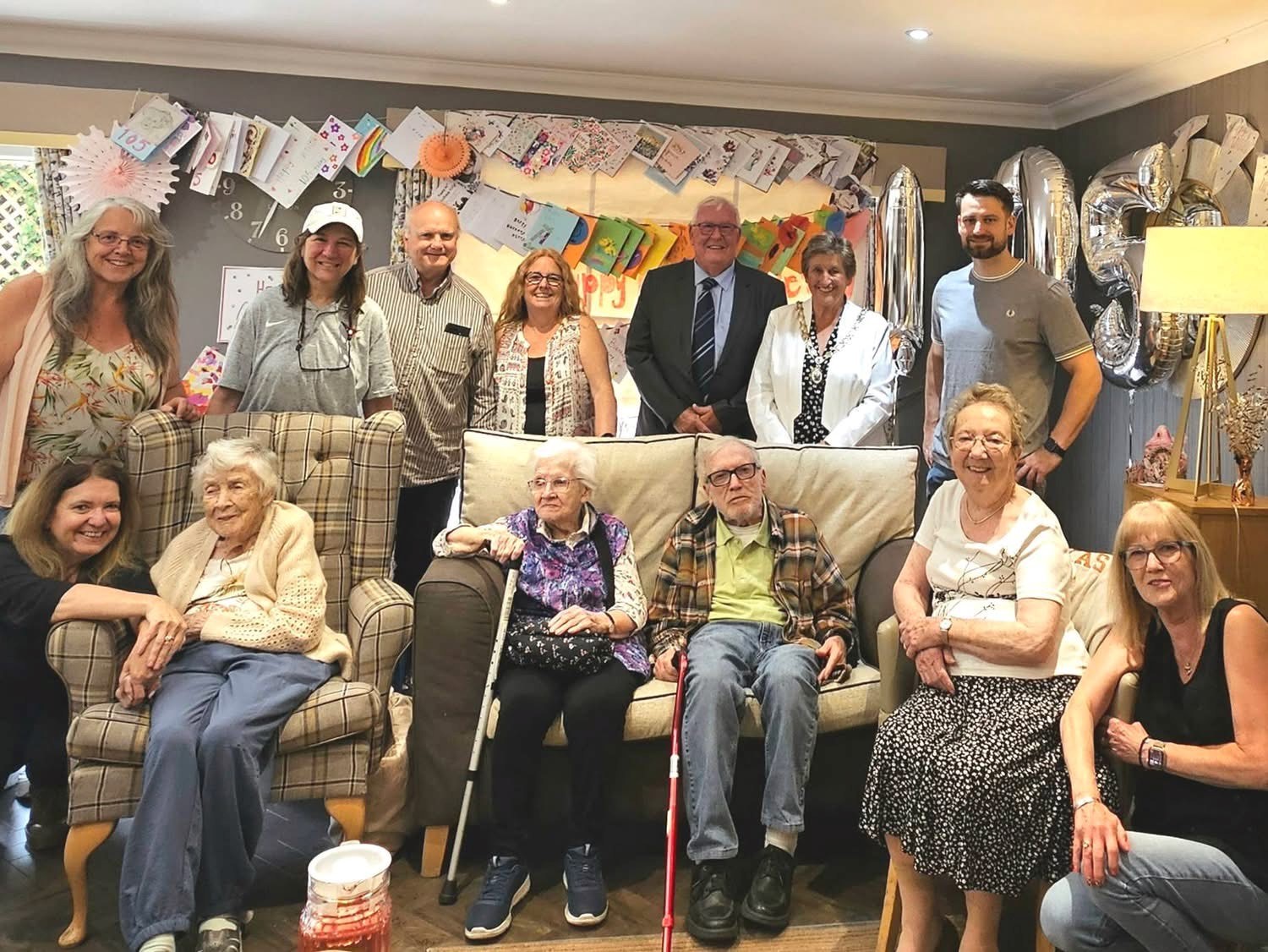
PS [00:51:58] Oh, the living ones? Oh yes, the living ones. Well that’s Hetty, Hetty Launchbury, who was one of the younger Goodwin girls, and she married somebody who, and emigrated to Hawaii for a certain time. Then she had four children and when he died, two of them came back with her and settled in Knaresborough with the other girls and her other two children are still in the States, one of whom, David Launchbury (that’s his photo), obviously joined his mother then. And so they settled in Knaresborough. And Mabel, who I think she’s the youngest. She’ll be a hundred and one shortly. So she was in the land army and married—
RM [00:52:53] So they are great nieces.
PS [00:52:55] No, they’re nieces.
RM [00:53:01] They’re actually direct nieces, wow. And they were the first to come over here, were they not?
PS [00:53:05] Yes, they were. In 2004, yes.
RM [00:53:08] And what made them come over? Have you talked to them about it?
PS [00:53:11] Roger. So they must have met Roger and Helen at that point because he’s in all the photographs. So it’s funny when you’re a little bit hazy yourself and you’re just a bit back, but I remember her going and always remember the year 2004 because that was the year—I could not believe this happened, but Mum went over with her aunties and a cousin, and my mother’s mother died while she was away. So she died in June 2004. But when she died, I think they were at Roger and Helen’s home. So, you know, that was pretty grim, but I’ll never forget the year.
RM [00:53:53] And what did they tell you when you got, when they returned home about what it was like and what they discovered?
PS [00:53:59] They just were so thrilled about it all, you know. It was more about the ceremony at the cemetery. And I remember them talking about Lucky Beer. So they must have, maybe going in the Waverley and they were always having a drink at night time. And they were much younger then and my cousin Sue did marvelously. She drove them all the way, stopping off at all these B&Bs and—
RM [00:54:27] Okay, we’re wrapping up here, but one question I’d like to ask you—actually no, let’s talk about the gravestone now. So there’s been some changes to the gravestone. Do you want to talk about that? ‘Cause you were involved in that.
PS [00:54:40] Yes. I was really proud, thank you, to be invited to join in on that.
RM [00:54:48] What was the problem with the old gravestone?
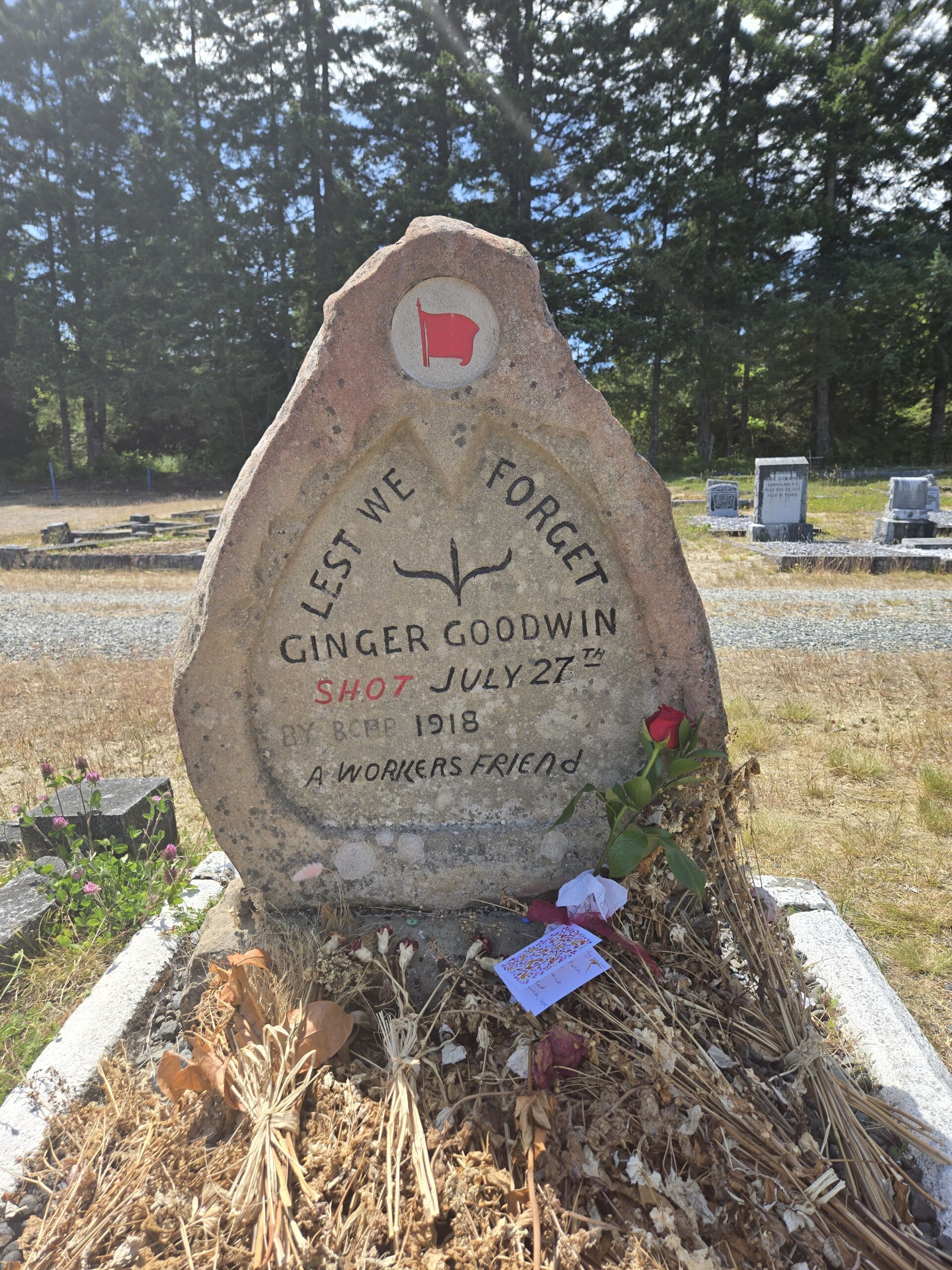
PS [00:54:50] Well I didn’t understand why the hammer and sickle had been defaced. It was recorded as vandalism. I’d say desecration, because you know, you just do not do that to a gravestone, regardless of your politics. That’s just sick and wrong. So I was horrified about that. I knew that the date of death was wrong, and then there was also some scroll on it, some graffiti. So again, good things come out of bad because I don’t know if the gravestone was desecrated because of the hammer and sickle. You don’t know what people do who politically motivated, I don’t know. But we looked at it and it just looked really impressive. I mean I think the red flag does better reflect his Labour politics because as far as I know, he wasn’t a communist.
RM [00:55:50] After the desecration it was thought maybe we should change the gravestone to make it more accurate. And one of the things was to replace the hammer and sickle with the red flag of the socialist system. And they, I mean you were very involved in that. They wanted your approval on these things.
PS [00:56:08] Yes. I agreed wholeheartedly. I really, if it was going to be put back I wouldn’t have wanted the hammer and sickle because of its connotations now. I know you can’t judge some things that are happening now with what happened in the past because it kind of evolves. But I was very happy for the red flag to go there.
RM [00:56:28] Because he was not a communist.
PS [00:56:29] Yes.
RM [00:56:30] He was a socialist.
PS [00:56:32] Well yes, that’s it. That just makes sense. The red flag, you know, we all sing it. They sing it at the Labour Conference in the UK. It’s just so beautifully done. How they’ve sort of taken it out and it’s so crisp and clear. I just think no, that’s it. That’s what it is.
RM [00:56:52] So there was a debate though about whether even though things were wrong on the gravestone, it was still the gravestone that so many photos had been taken, you know, and had lasted since the 1930s. So there was a certain heritage aspect, even though it was incorrect. And there were those that wanted to leave it the way it was. But you weren’t among those. You thought it should be changed.
PS [00:57:18] No, I wasn’t because I did feel as though it felt wrong. I mean I wasn’t there, I don’t know. But to me, it didn’t—you know, communism started, I know it started in the mid-nineteenth century, but then it started to move on a pace. It didn’t feel as though that sat right somehow. But I do—devil’s advocate here because there’s always two sides and it’s should you change, you know, should you change a statue? In the UK we’ve had all sorts of people pushing statues into— you know, but does erasing it make it better? You know, because it happened when it did. And so I did have a couple of you know, mm-mm no, red flag in the end. Because that reflected who he was and I believe he did stand for what do you call it? Did stand as a candidate for the party.
RM [00:58:18] Yeah, he did run for the Socialist Party.
PS [00:58:20] So to me that’s it. But I do get the people who are saying keep it, because that that’s what happened at the time. But anyway, here we are with the red flag.
RM [00:58:34] A question I’d like to ask you is, you know, if you could ever have a chance to talk to Ginger, what would you ask him? What would you, what kind of curiosity would you have?
PS [00:58:48] Oh yes. I’d say ‘What made you leave? How did you get into politics so young, what was that political thinking? What shaped your thoughts? Who shaped your thoughts? Whose dining room table were you sat around that influenced you? Because you were so young, you were young when you died.’ I mean some people don’t mature until the day he died. ‘What happened there? What was your social life like? Did you have a girlfriend, ‘course that’s me being nosy. What were your feelings about the first world war and conscientious objecting? Tell me more about, that. I know what the theory is behind it but tell me why it was so important to you. Did you fear for your life when you ran away? Did you think somebody would come after you and get you? Which they did. How did you feel, what were your emotions like?’ I’m very into how, you can see facts but you, you can’t quantify the feelings, what was going through your mind, you know.
RM [01:00:06] Ask him maybe about the family too.
PS [01:00:09] The family back home. Oh yes, I’d say ‘Where are the letters, who did you send them to? Where have they gone? Did you keep any?’ ‘Cause if he got letters he must have kept some. Where did they go?
RM [01:00:23] It’s just the most remarkable thing is that someone that, as you point out, was this ordinary young Yorkshire lad who’d been in the mines, I guess, and he became—he was Ginger Goodwin. And he’s known basically throughout B.C. now and so on, and there you are related to him.
PS [01:00:43] Yes, I am and pleased and proud to be here and just being in this lovely place and I’m so—you know, I know you said it would have been a hard life, but just to look around here and just think, oh, if he just could get some of that nature into his lungs, you know. He did have lung disease and, if he sort of felt better for it.
RM [01:01:08] Anything you’d like to add? That we might have missed?
PS [01:01:13] I’d like to know what people think about him today. You know, what does it mean to people today? Is the Ginger Goodwin sign going to go down again with the next election? You know, why are people so—why were politicians so anti? Why did they think he was being disruptive now? What does it matter now? It’s history. It’s like, why would you do that? I suppose yes, I’d just like to know what people think about him now. Ordinary people and are the politicians different?
RM [01:01:45] And anything that we missed in our interview, do you think?
PS [01:01:54] No, I don’t think so. I don’t think there’s anything else.
RM [01:02:00] Do you see a solidarity between the miners in Yorkshire and the coal miners over here?
PS [01:02:06] Oh absolutely. Absolutely. Was a different era, and I can only talk about my living memory. But my time was—my mining ancestors and my grandads, and they, one of them died from asbestosis and what have you. And Brassed Off. So I remember the mucky miners having a tin bath. It was a community. And when the mining industry was disbanded in the UK, it was a decimation of a community, not just an industry.
RM [01:02:47] Yeah the same thing happened in Cumberland.
PS [01:02:50] Yeah. So it’s that understanding and empathy that the two communities I believe would share. You can’t do anything about it, but you know, it’s just that people being together and there for each other and that’s what I see is similar.
RM [01:03:10] Anything else? That’s good? You happy?
PS [01:03:12] I’m happy.
RM [01:03:14] So such a so great to meet you and hear these stories and thank goodness for professional genealogists.
PS [01:03:20] Who can’t find their own family.
RM [01:03:25] Who missed the biggest story of her life!
PS [01:03:25] What an irony. Don’t tell more than a dozen.
RM [01:03:27] I’m sure it’s been pointed out before and you’ve thought about it. It is a great irony. Right under your nose. But it’s wonderful. Thank you.
Ginger Goodwin was a young miner and union activist whose medical exemption from military service was cancelled when he organized a strike at the Trail smelter. He appealed and was denied, and fled to Cumberland to evade the draft. He was shot and killed by a former police officer. His death sparked a general strike in Canada.
After learning about their celebrated relative, several members of the family travelled to Cumberland to learn more. When Pam Smith visited, where she was deeply moved by the community’s connection to Goodwin. She participated in the Miners’ Memorial Weekend, during which she spoke at Ginger’s graveside. She expressed immense pride in her connection to Goodwin, describing him as a “working class warrior” and “hero” whose short but impactful life resonated with her family’s mining heritage and social values.
Smith was struck by the continued importance of Goodwin’s legacy, noting the debate over the wording and symbols on his gravestone (recently restored by the BCLHC), and her desire to share his story with younger generations of her family to keep his memory alive. She also pondered what Goodwin himself might have thought about his legacy and the ongoing political debates surrounding his life and death. She reminds us that not only is Ginger a symbol and a legend, he was a young man, who is remembered by his large and loving family.
Related Resources
Ginger Goodwin, Labour Heritage Moment Video
Ginger Goodwin’s murder is a cornerstone of BC’s labour history, resonating for over a century. Goodwin is remembered as BC’s first labour martyr, a leader who took a principled stand agai...
Roger Stonebanks Interview: Organizing Journalists and Writing Labour History
Roger Stonebanks grew up in a conservative family in England and attended boarding school. He learned the value of organizing when, as a young boy, he organized a boycott to demand better food at scho...
Joe Naylor, Podcast Ep.1
Joe Naylor: miner, socialist, pacifist, and comrade to Ginger Goodwin. In this episode of our On the Line podcast we shine a light on a remarkable yet overlooked figure in BC’s labour history. Less we...
Ginger Goodwin: A Workers' Friend
Charismatic union activist, socialist and organizer Albert “Ginger” Goodwin was fatally shot on July 27, 1918, by special constable Dan Campbell in the woods overlooking the working-class bastion of C...
The Ginger Goodwin General Strike
At 12 o’clock sharp on August 2, 1918, Vancouver transit operators stopped their streetcars in mid-route, drove them to the barns and walked home. The city’s normally bustling waterfront fell silent, ...
Smelter Wars, Podcast Ep. 15
In the early 20th C, the large, exploited workforce of the smelter at Trail was ripe for organizing. Those efforts were contentious and the politics formidable. Company unions versus legitimate unions...